
This initiative offers settlement options to conflict parties and those supporting them in the search for peace.

Draft Settlement

Settlement Options

Key Documents

Negotiation News

Additional Resources

SETTLEMENT BAROMETER
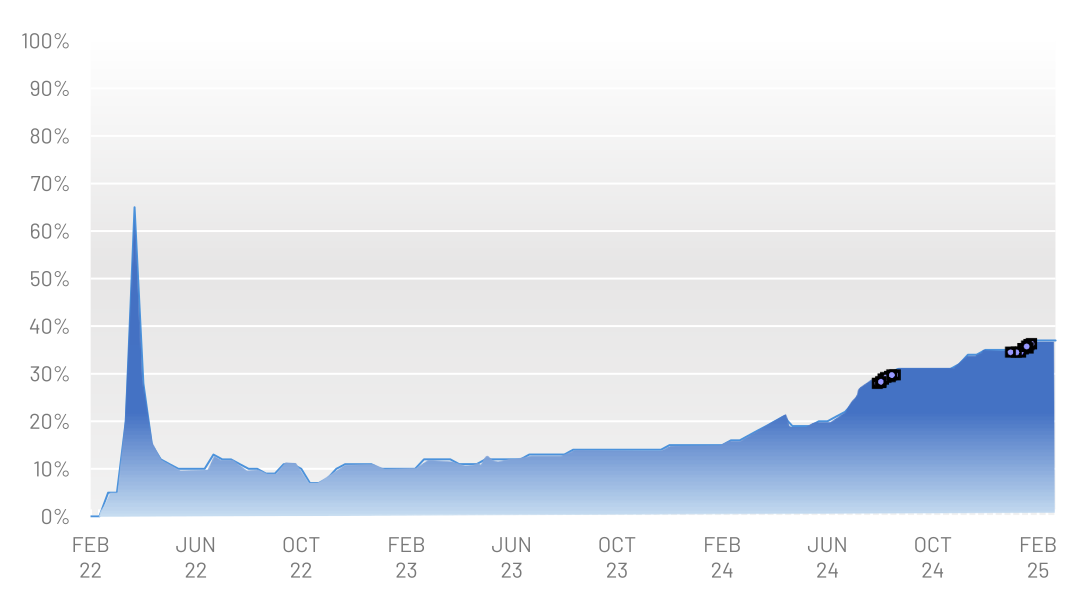
1-10% = Extremely Unlikely
10-25% = Very Unlikely
25-40% = Unlikely
40-60% = Reasonable Prospects
60-75% = Likely
75-90% = Very Likely
90-100% = Extremely Likely
As of 15 January 2026, there are significant prospects for a settlement brokered by Donald Trump. The sides were close to an agreement through the Istanbul Process in March 2022, but peace talks broke down and negotiations were subsequently limited to humanitarian issues, prisoner exchanges, grain exports, and nuclear security, with significant impasses on territory, military withdrawal, security guarantees, and NATO expansion. While US President Trump has brought renewed impetus towards a settlement by reaching out to Russia and threatening to withdraw military cooperation with Ukraine, there are key sticking points that remain. Ukraine insists on a hard security guarantee to deter future military action by Russia, and Russia insists on recognition of its territorial claims (including de jure recognition of Crimea and cession of territory in the Donbas region). It remains to be seen whether Russia is willing to concede to any meaningful security guarantee; and whether Ukraine can offer territorial concessions that appease Russia’s appetite for military victory. In the longer term, the costs of renewed sanctions and protracted resistance may reinforce settlement prospects, given the difficulty of achieving a clear military victory.

Statement by the Vice Chancellor
Professor Stephen J. Toope, Vice Chancellor of the University of Cambridge
The ideas put forward through the Project will need to be discussed by Ukraine, Russia and all states seeking to promote peace as soon as the situation on the ground in Ukraine makes that possible.
Professor Stephen J. Toope